
Completed project
Cranston House
Canterbury
The project
A c1900 home, seamlessly extended
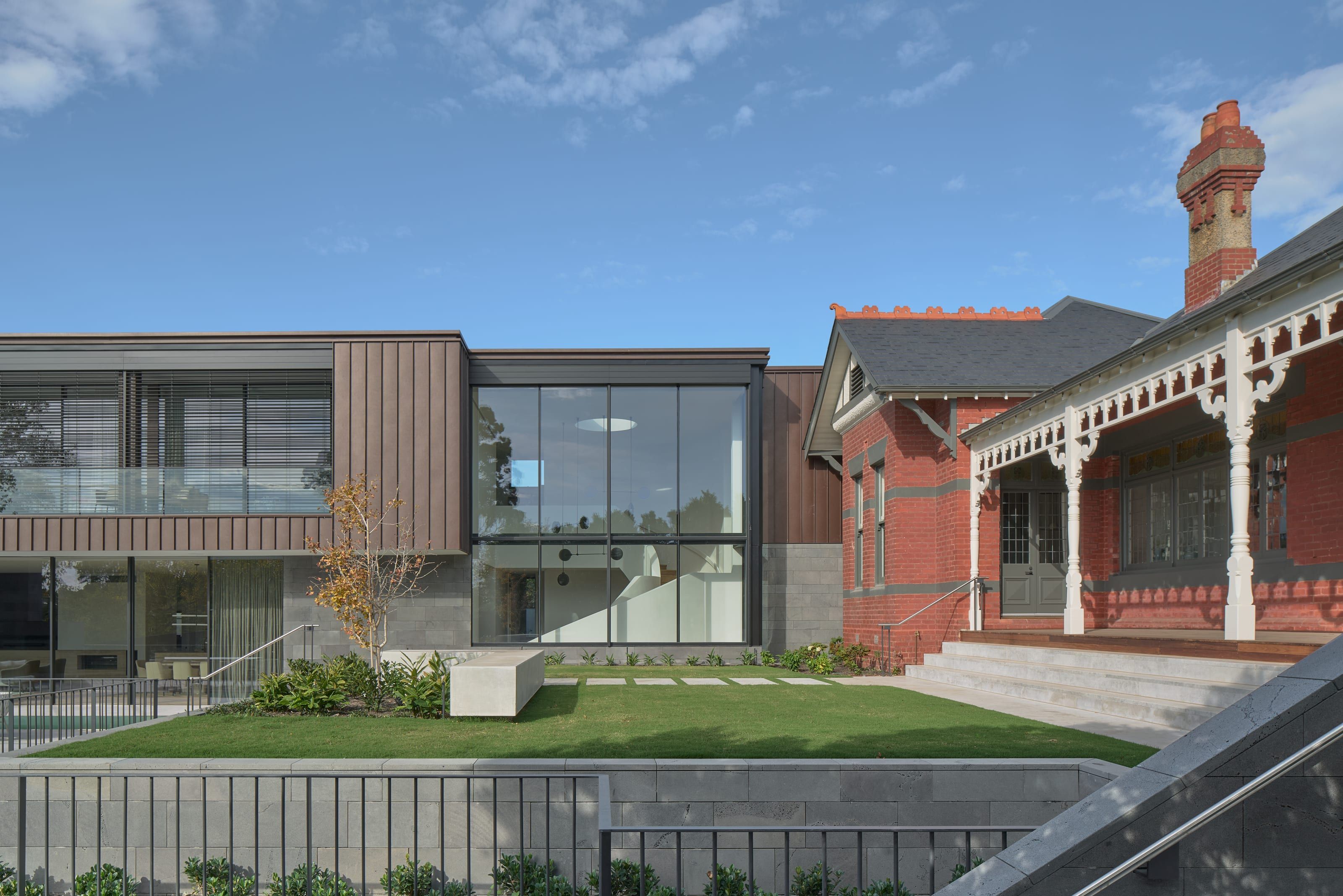
Cranston is a c1900 transitional Edwardian residence in Canterbury, set on a large garden estate near Maling Road. The original rooms carry the period in full, with high strapped ceilings, open fireplaces and leadlight windows.
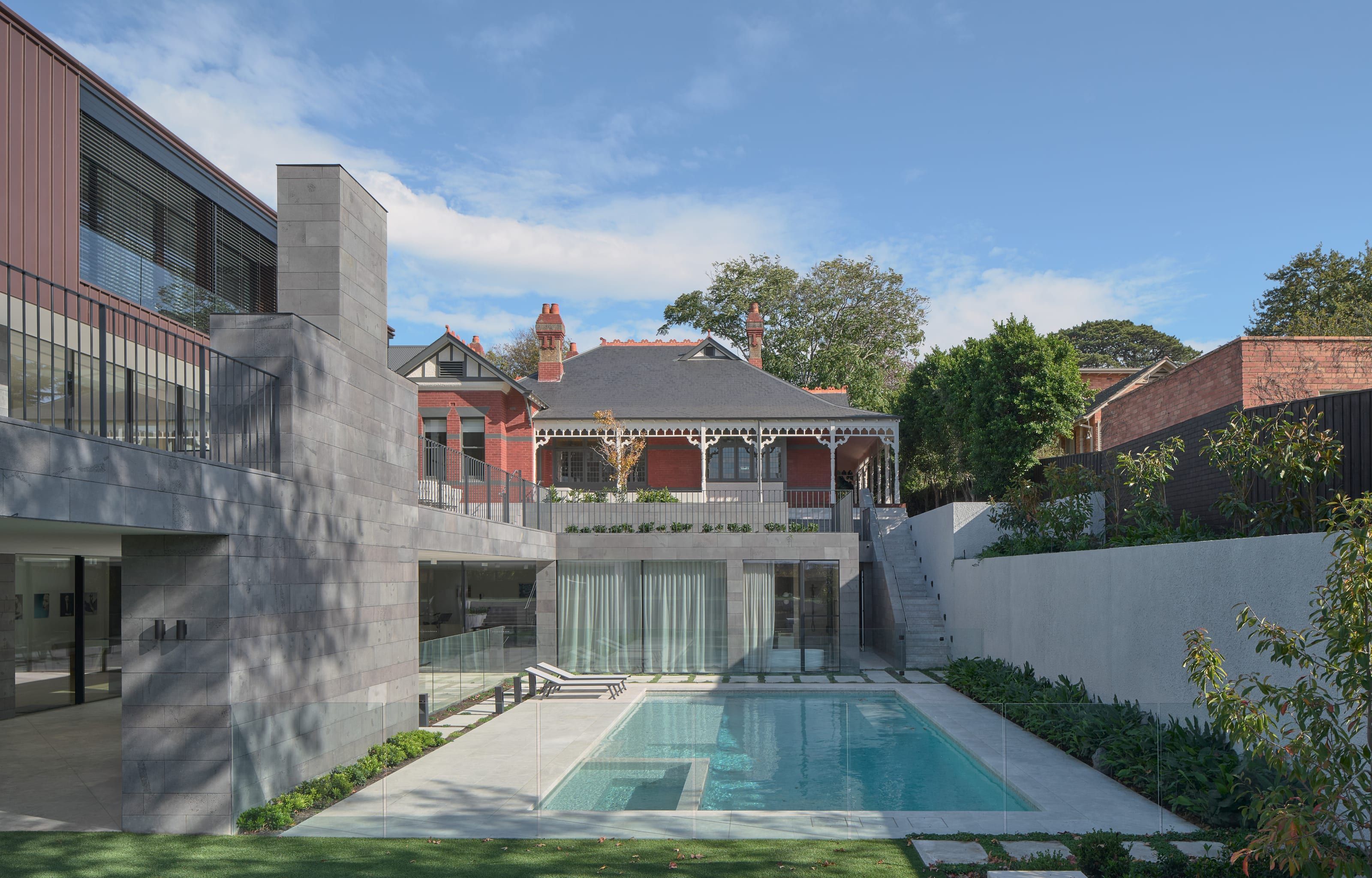
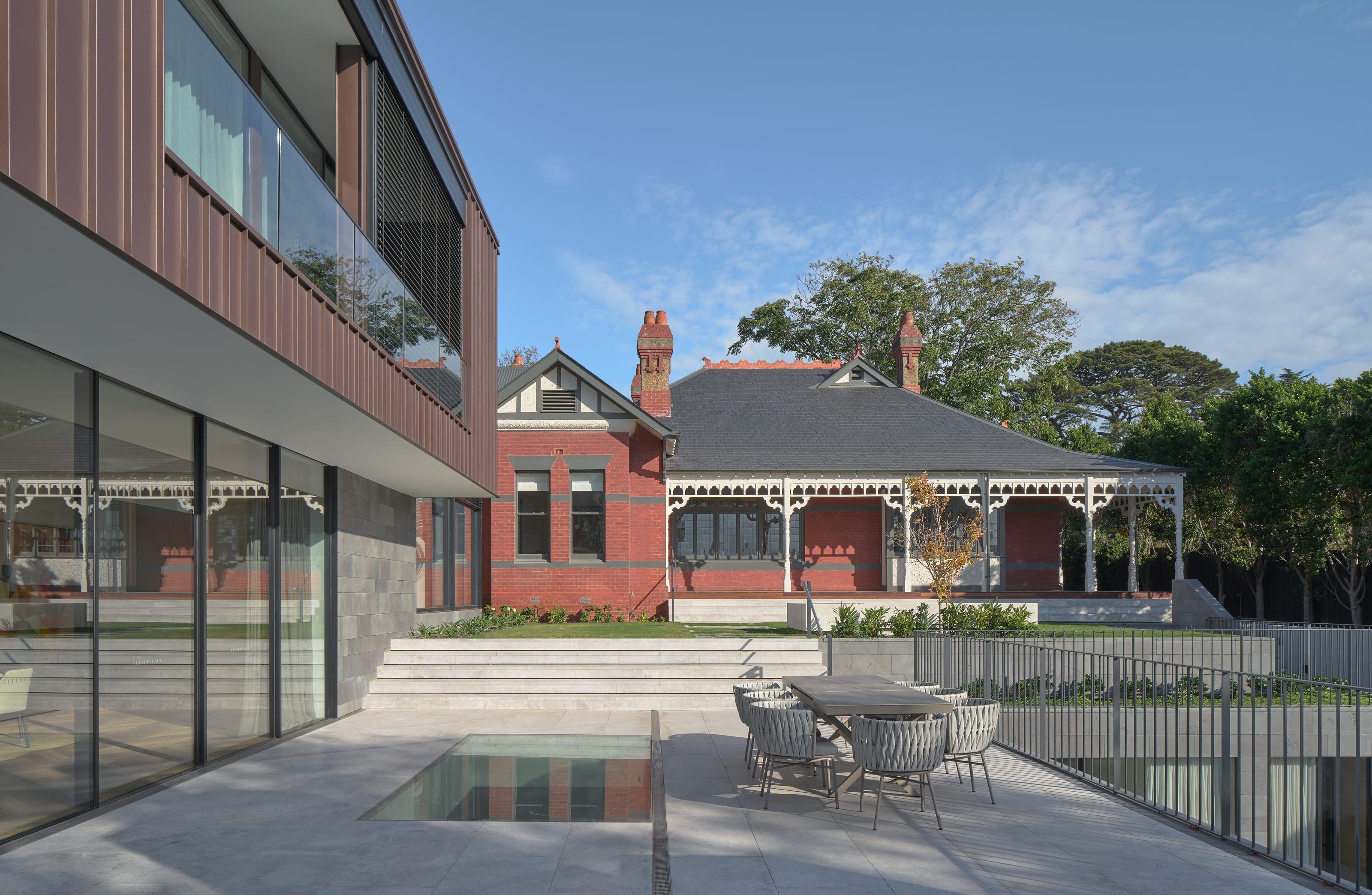
Emma Tulloch Architects designed its next chapter. A large contemporary extension over a new basement, joined to the original house so the two read as one. The heritage street face is left intact. Behind it, the home opens to garden, pool and tennis court, with landscape by Jack Merlo Landscape Design.
Our work was to build that vision without showing the join. We restored the original fabric, formed the basement beneath it, and detailed the meeting of old and new so the transition reads exactly as Emma drew it.
The brief
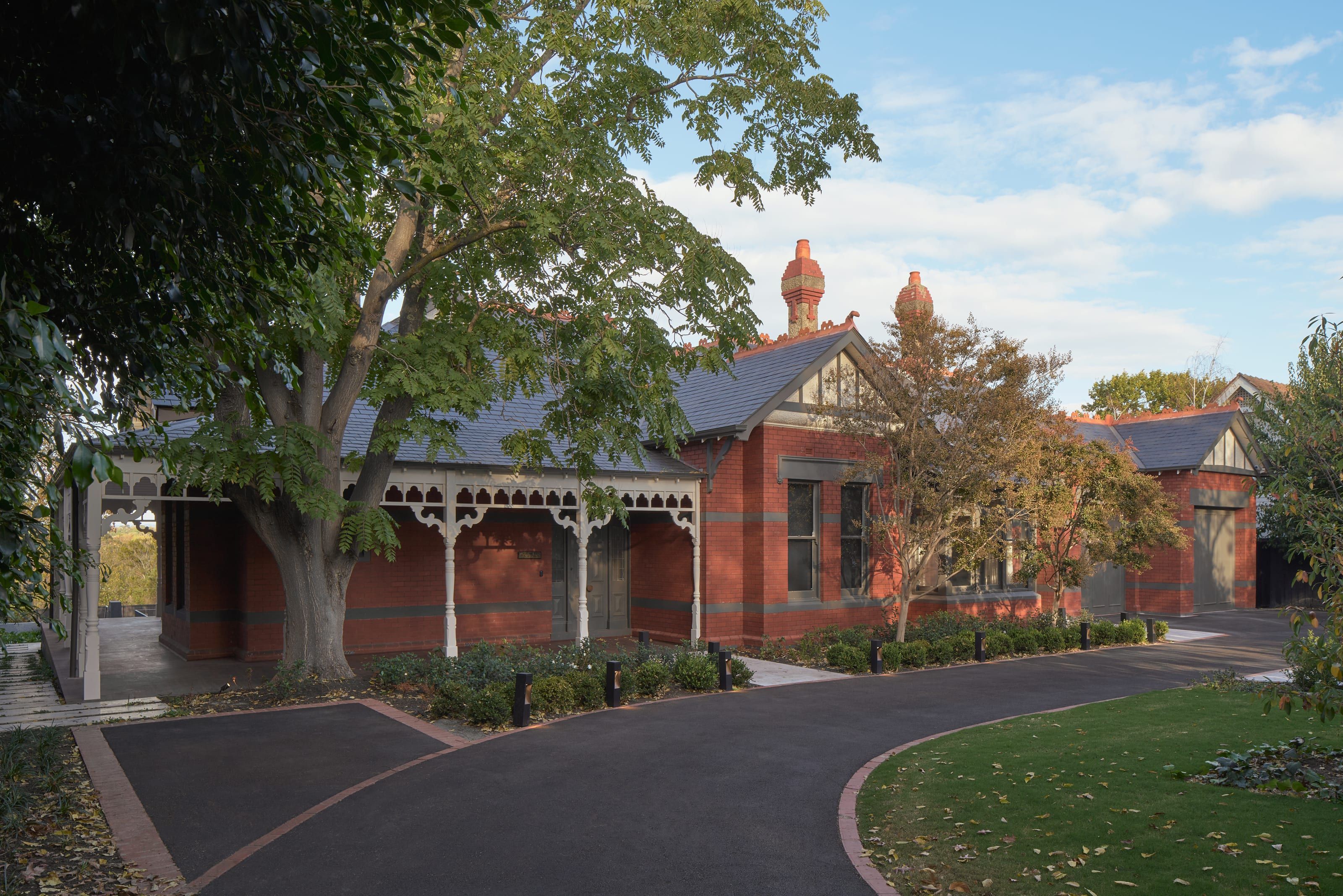
The street face holds, the new work sits behind
The design keeps the heritage presence of the house intact from the street. The new work sits behind and below it. A basement, a rear extension opening to the garden and pool, and interiors resolved to a fine level of detail.
Restoration work ran the full depth of the original building. Masonry, render, roofing and original openings were brought back carefully rather than replaced.
The challenge
A basement behind a retained heritage structure
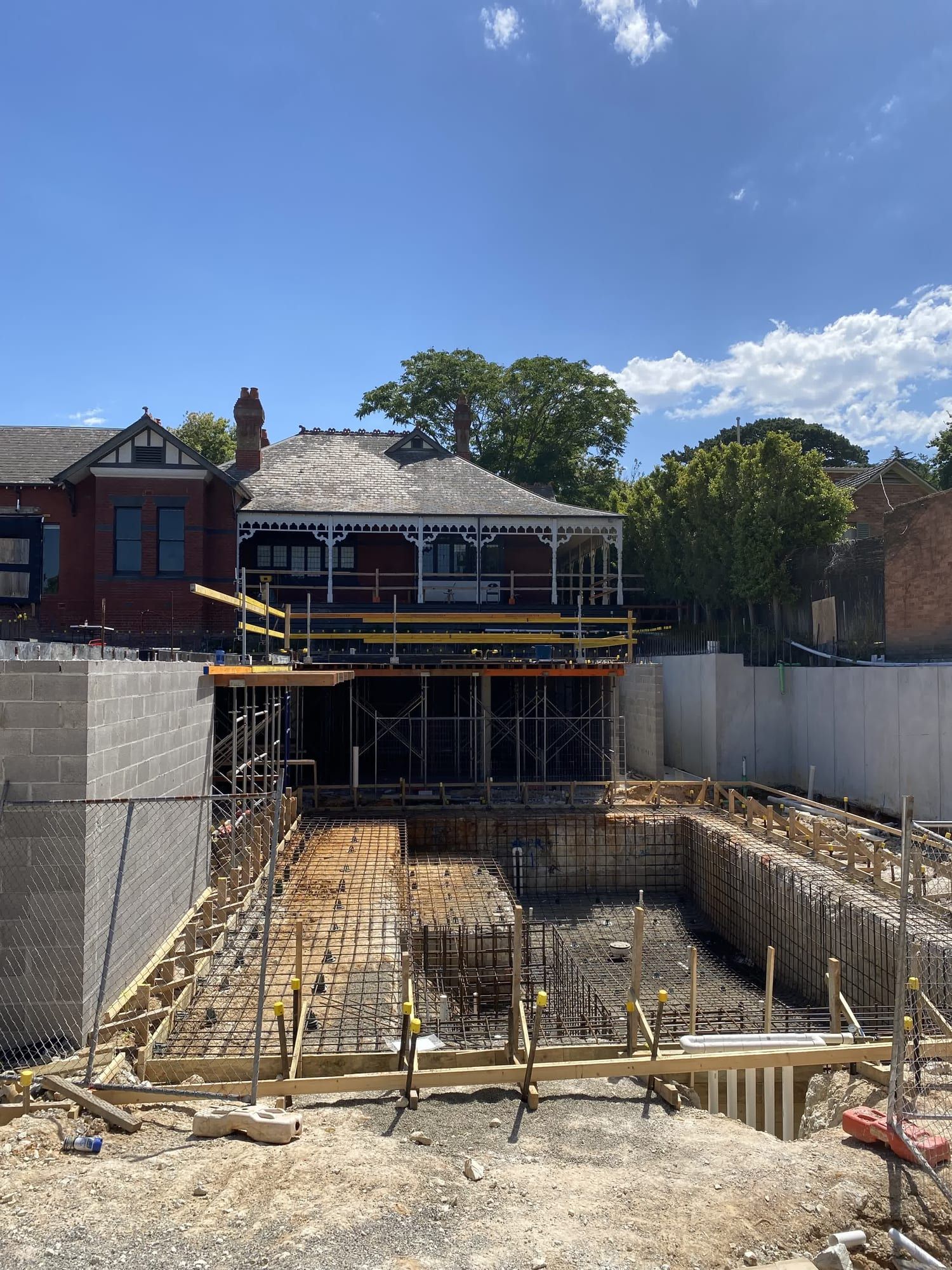
Excavation, retention and new structure were staged to protect the original building, with temporary works coordinated around fabric that could not be replaced.
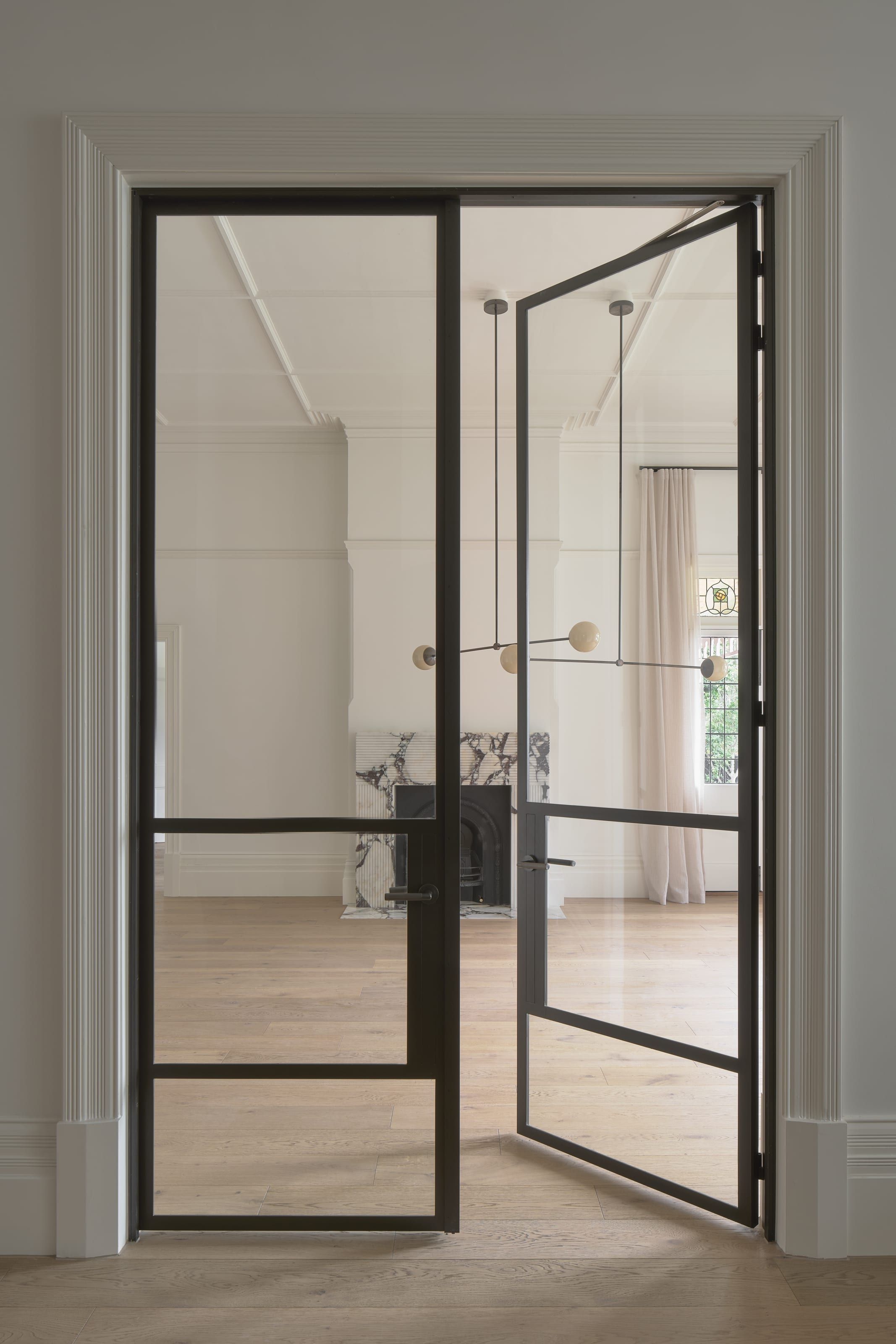
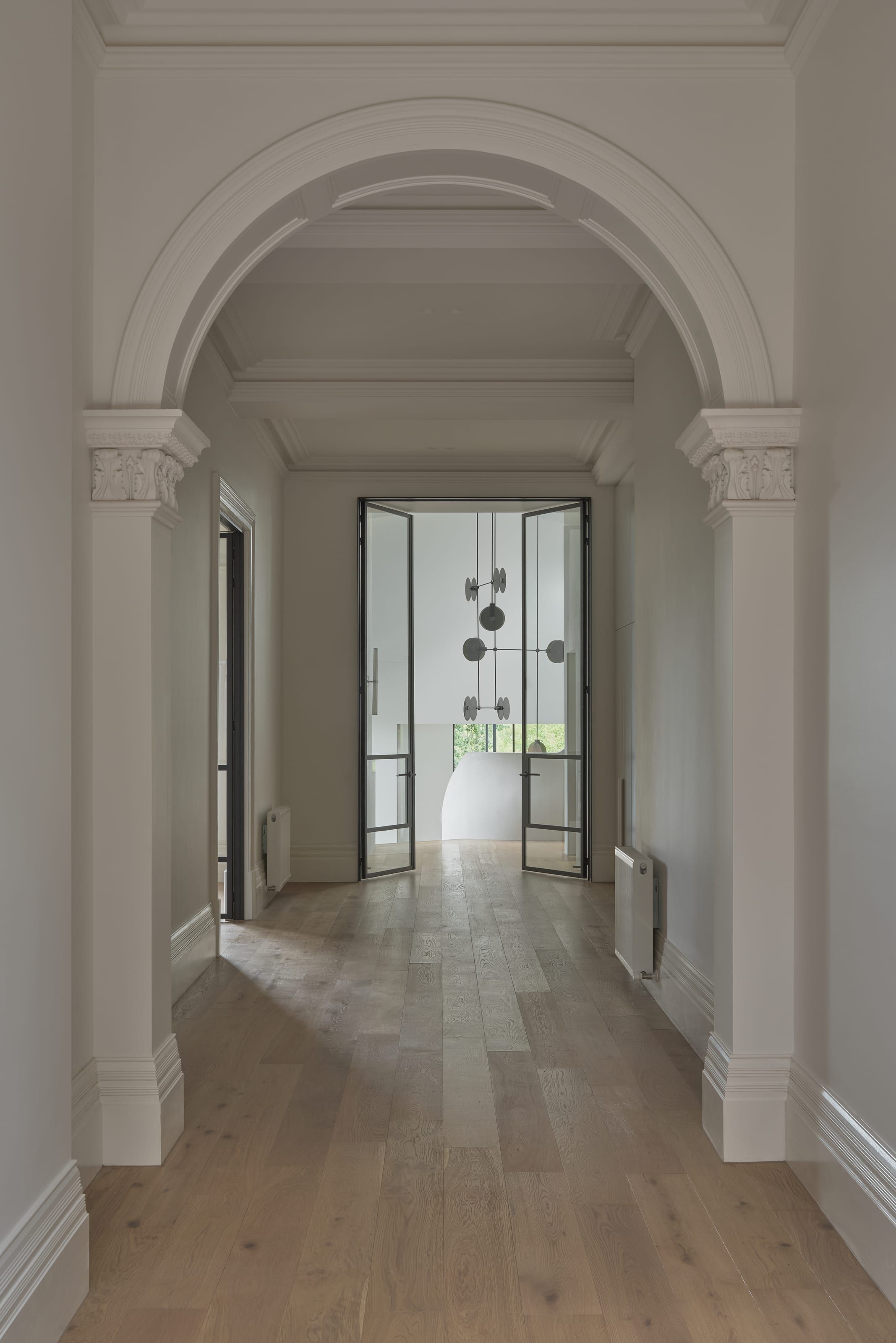
The junction between restored and new construction carried the highest detailing risk. Setting out was checked and checked again so the transition reads as the architect intended. Deliberate, clean and quiet.
The craft
Detail carried through every trade
Joinery, stone and plaster were coordinated from shop drawings through to installation. Where materials meet, the junctions were drawn, agreed and built once.
The same discipline ran through services. Lighting, heating and ventilation are present in every room and visible in none of the photography. That is the point.
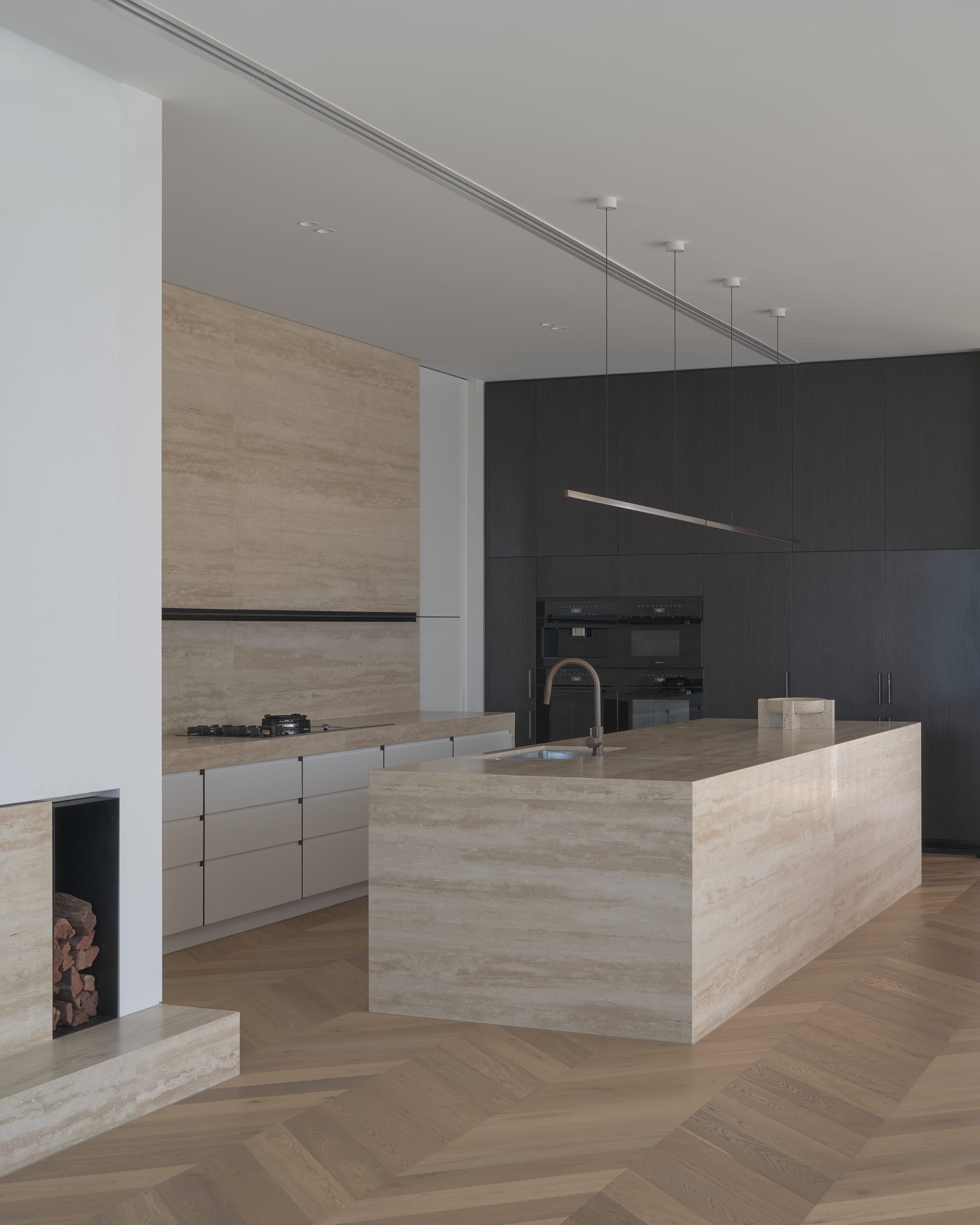
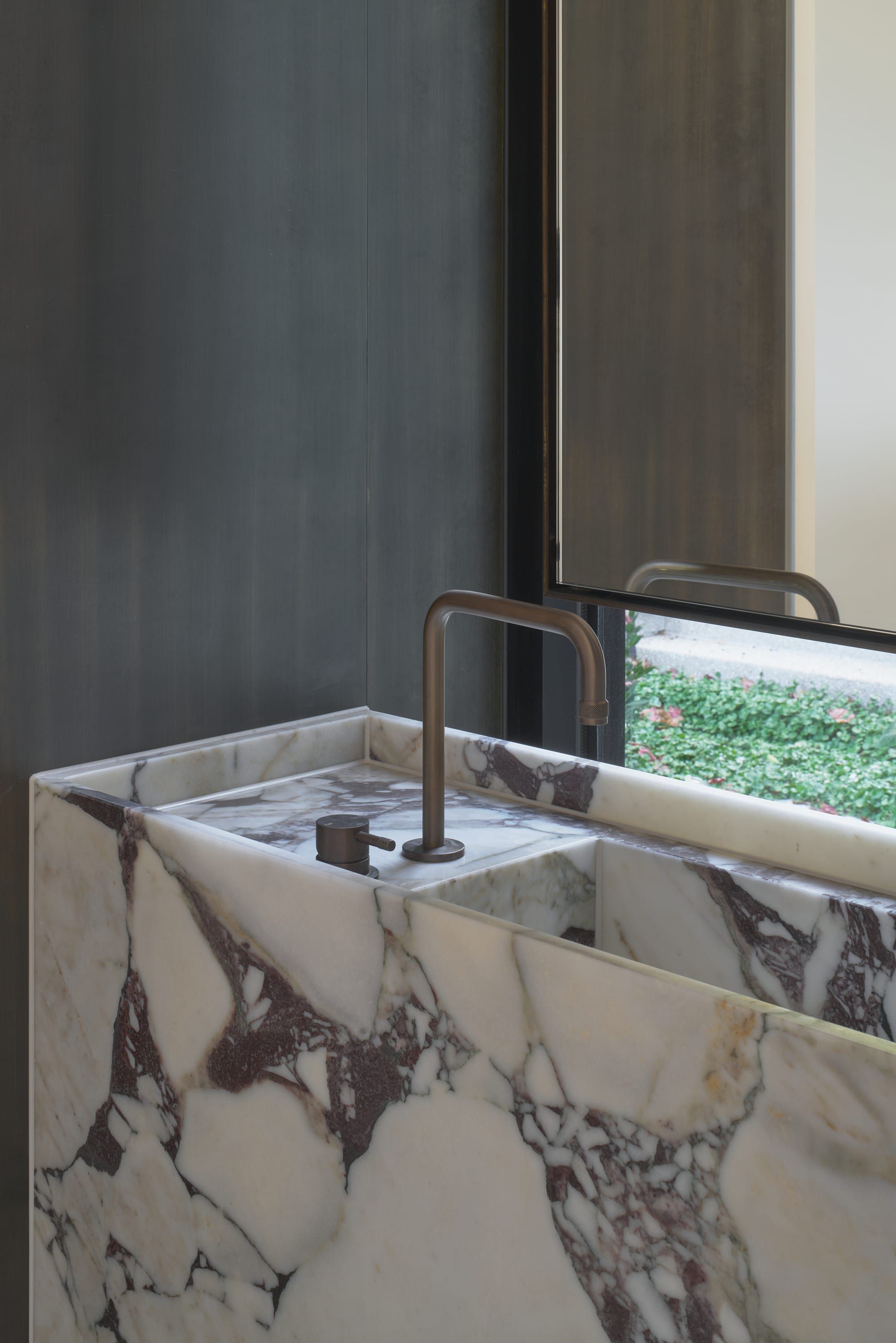
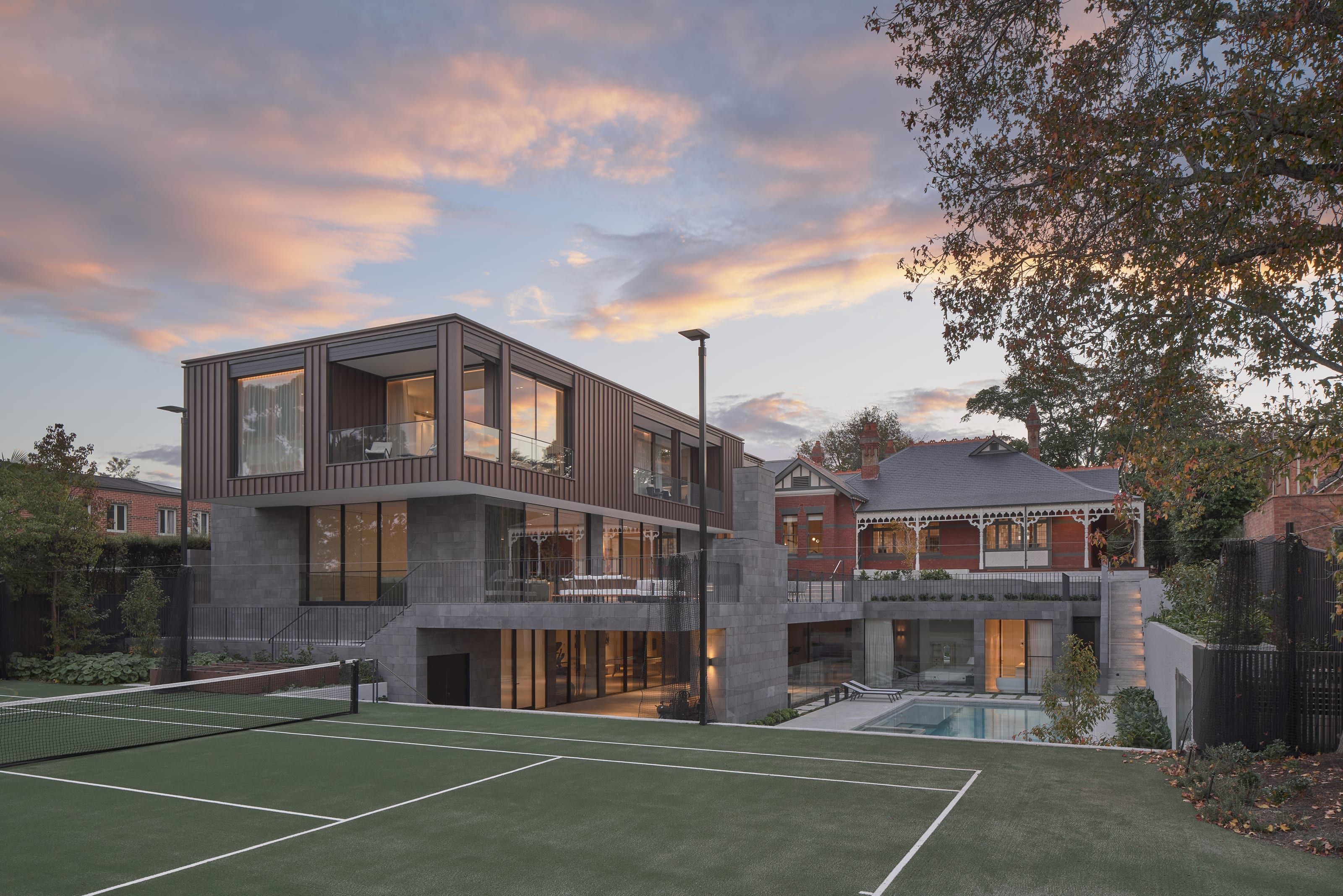
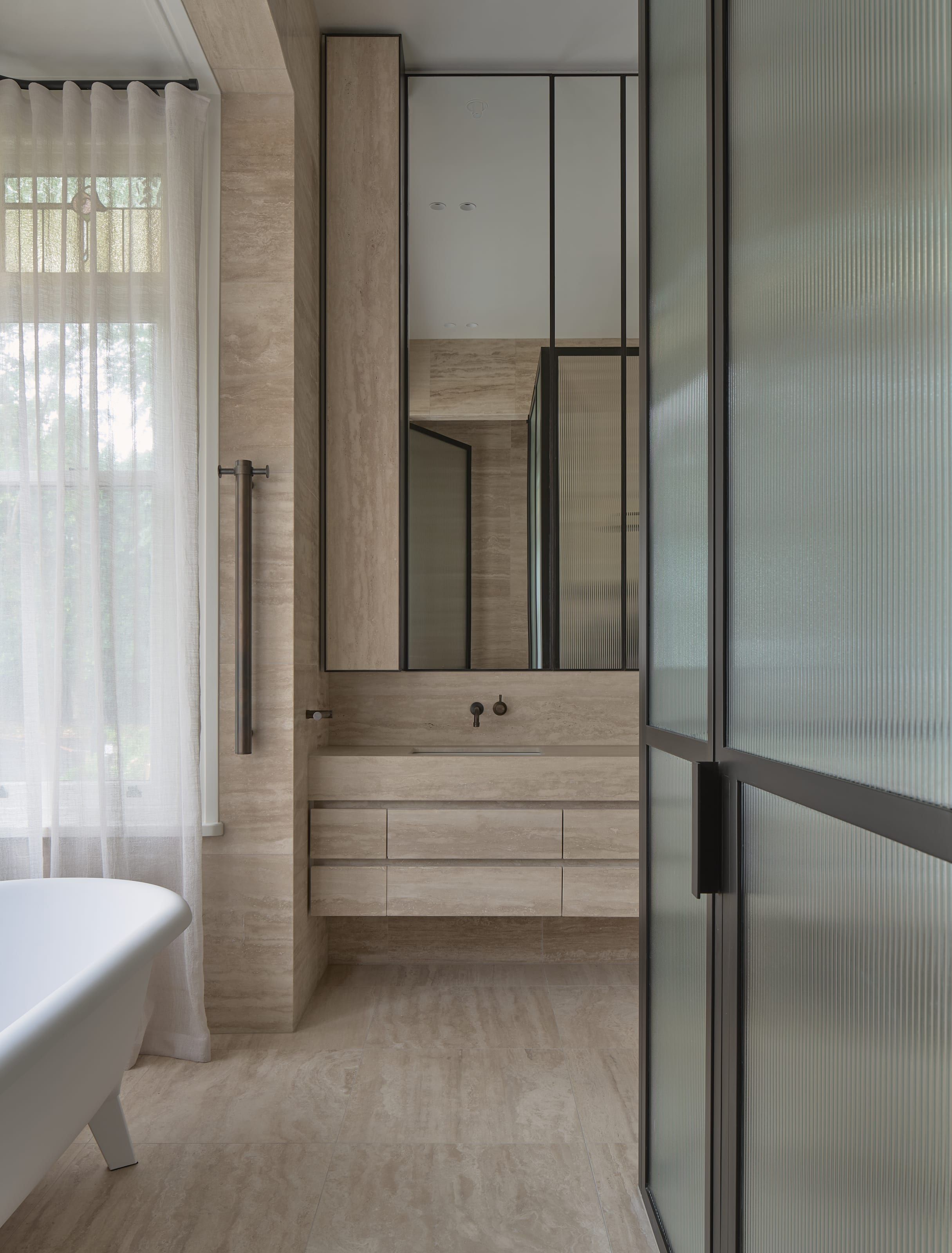
Over the site during construction, the new work beside the original house
The outcome
One house, two eras, no seam in the experience
The completed house moves from restored Edwardian rooms to contemporary living spaces without losing its composure. The garden, pool and tennis court complete the architect's setting for it.
Emma Tulloch Architects have since put the working relationship on the record, and the house carries the result.
Detail notes
-
Post-tensioned concrete slab to the new structure
-
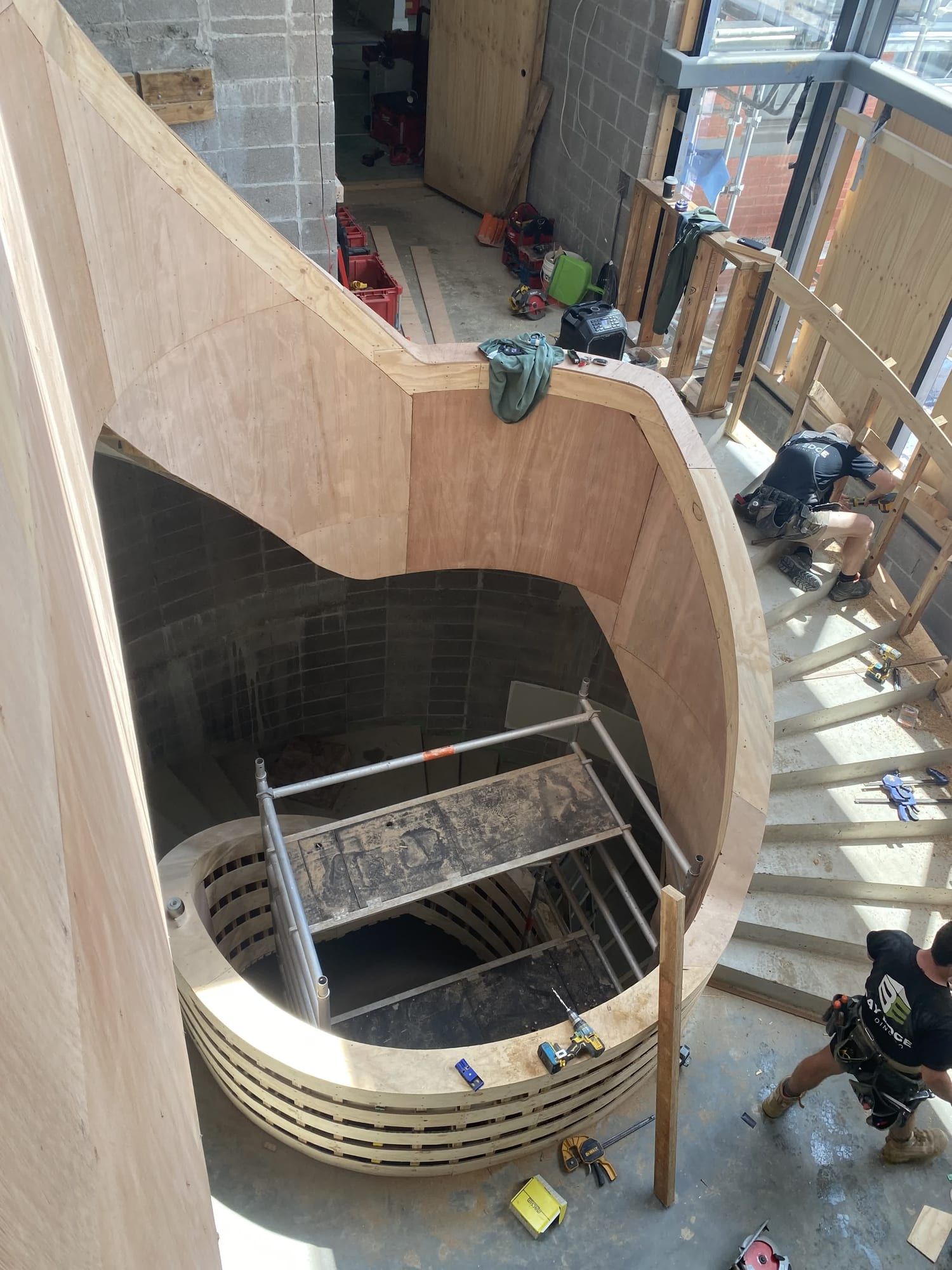
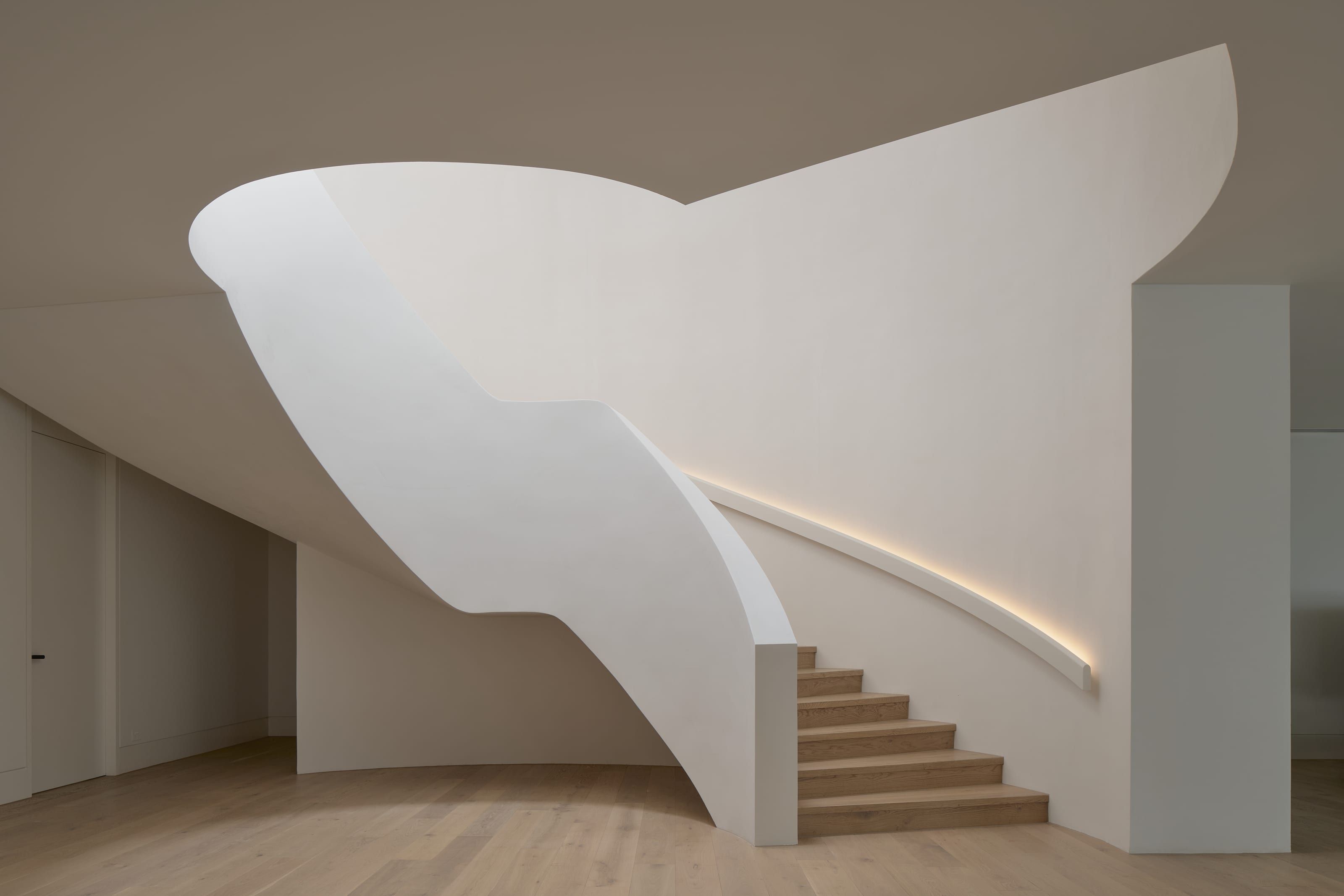
Curved staircase formed in concrete, framed in timber, then lined and finished in Venetian plaster
-
Custom curved handrail designed for the project by Emma Tulloch Architects, built and installed in house by Siji carpenters
-
Steel-framed glazing within restored masonry openings
-
Vein-matched stone throughout, with formed stone sinks
-
Full-height stone to bathrooms
-
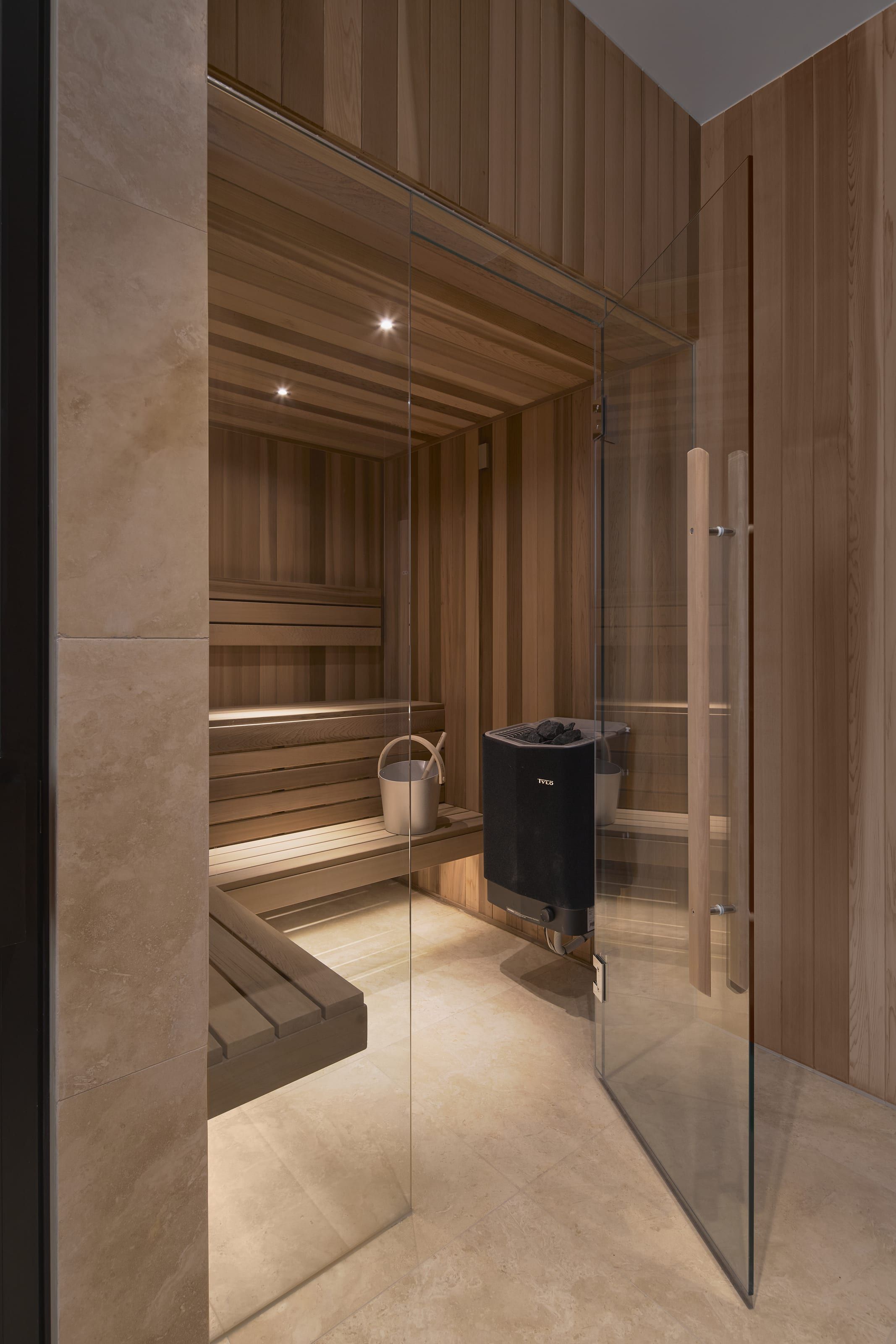
A timber-lined sauna